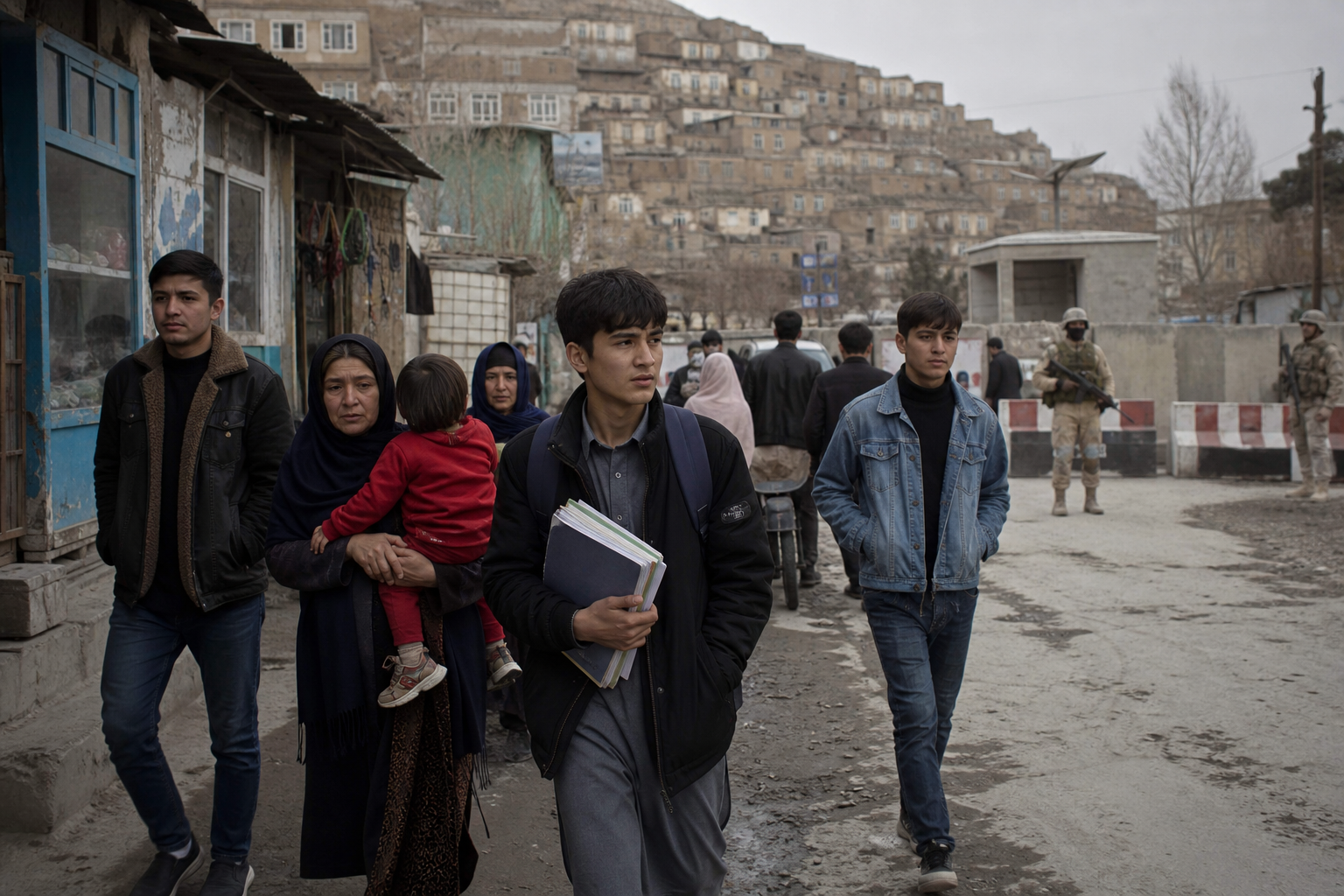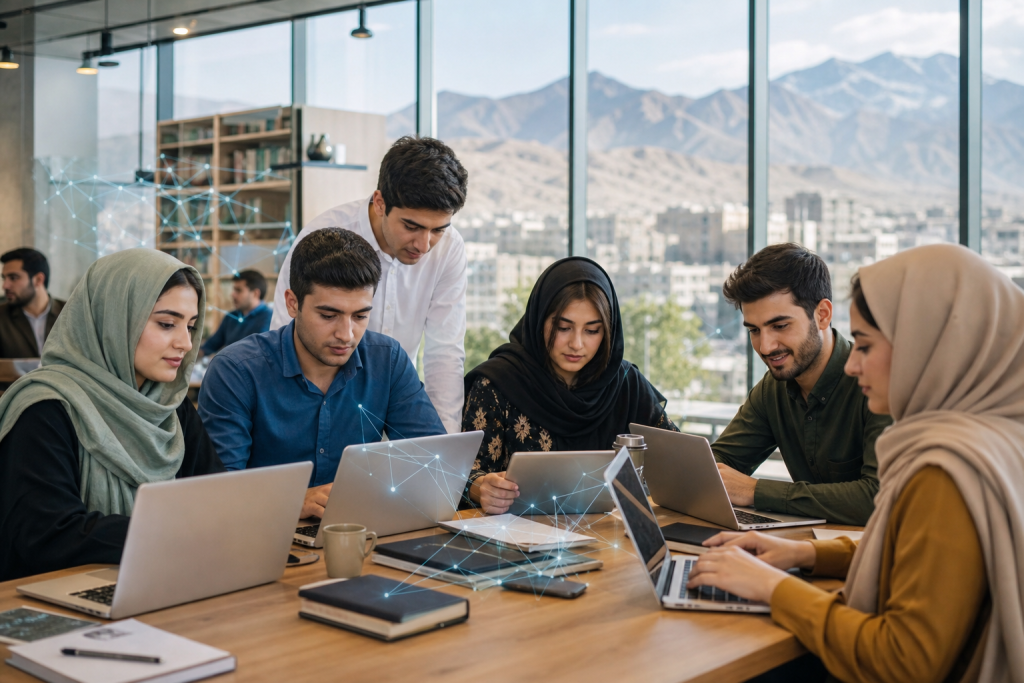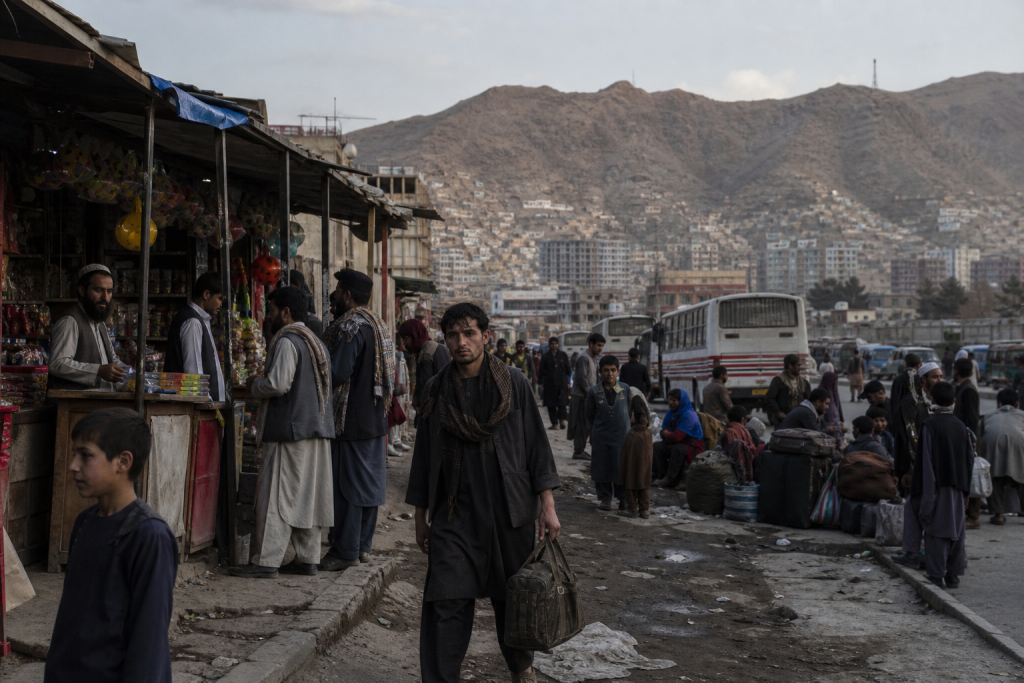

Afghanistan’s economy has expanded for a second consecutive year, supported by stronger revenues and relatively low inflation. However, persistent poverty, limited employment, weak investment and uncertainty mean economic growth has not substantially improved living conditions for many households. Rapid population growth, a Read More
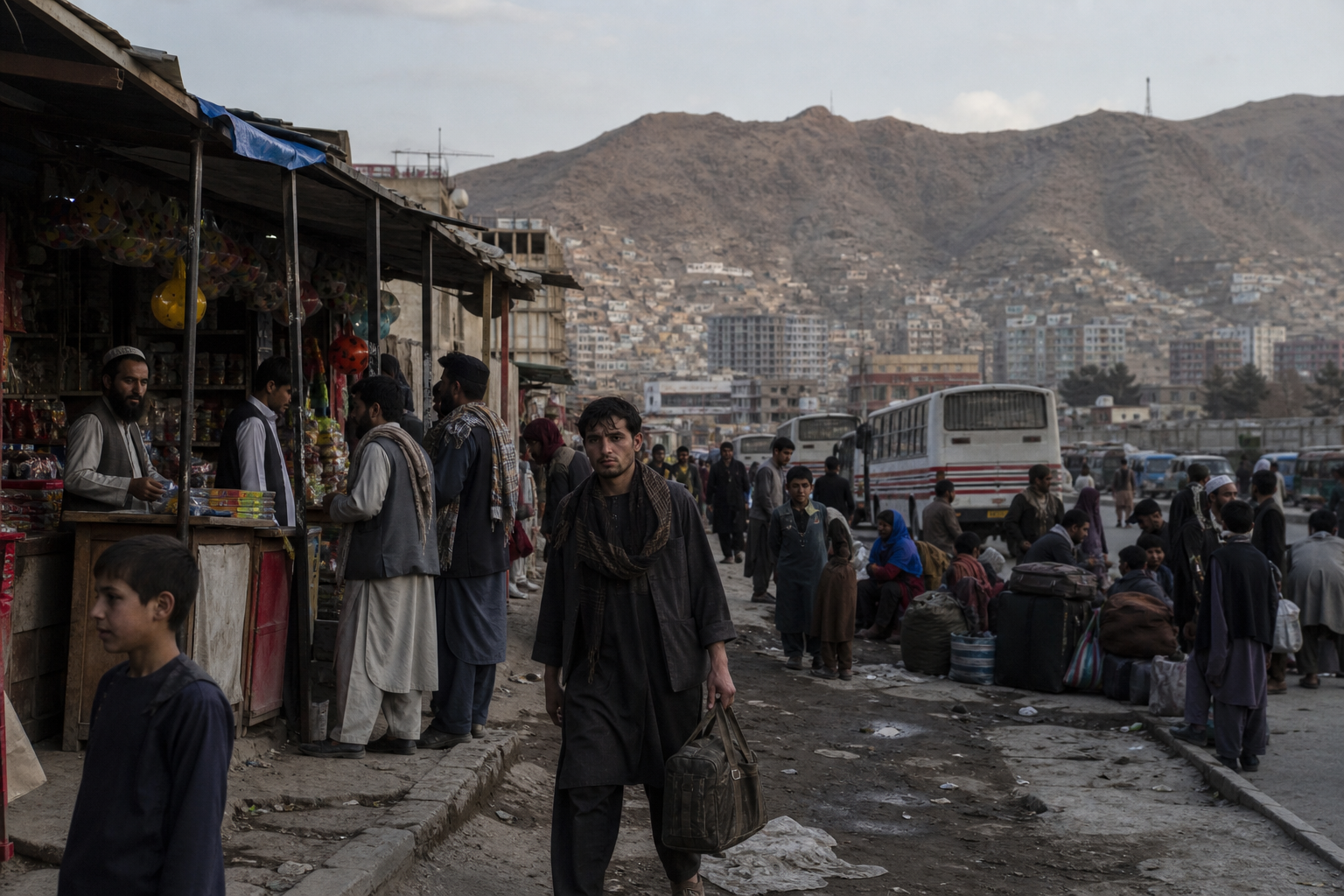
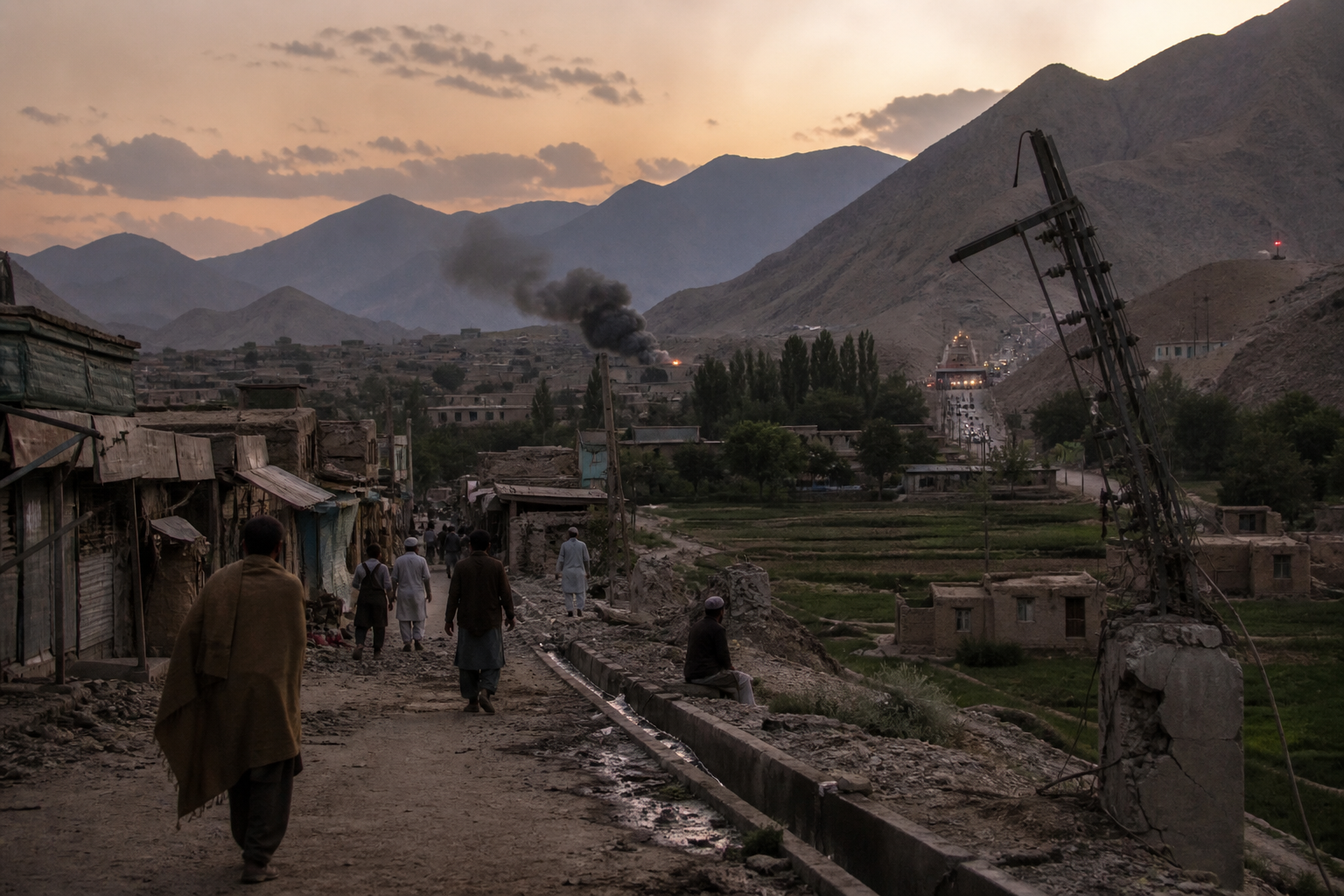
Afghanistan retains broad territorial stability under Taliban control, but localized violence persists. A United Nations report recorded 88 attacks by armed opposition groups across 21 provinces from May to July, while ACLED reported increased political violence in parts of Badakhshan and Herat. Read More
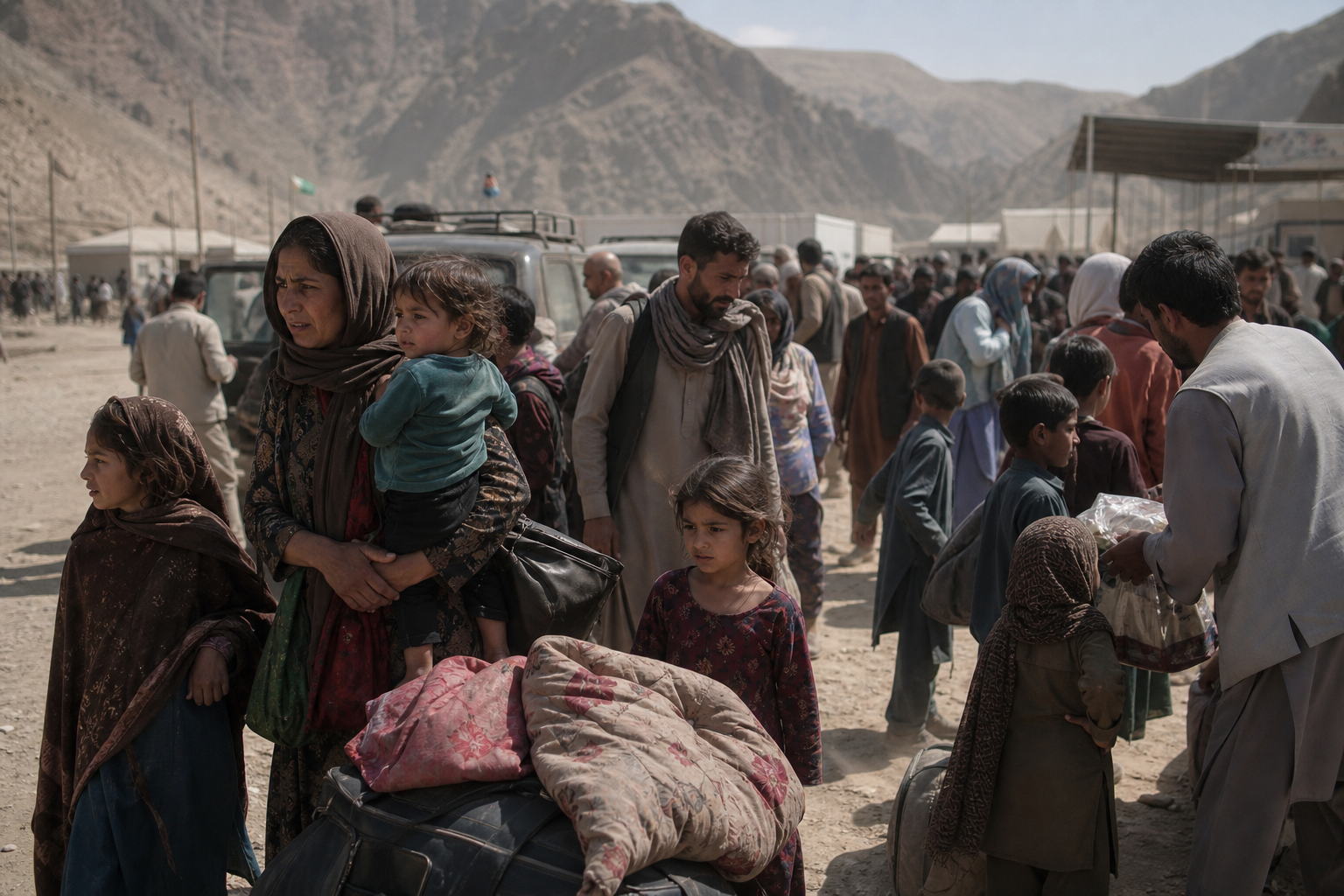
Thousands of Afghans are returning from Iran as job losses, unpaid wages, rising living costs and economic pressures make it harder to remain there. Some leave voluntarily, while others face deportation or pressure to return without enough resources to rebuild their lives. Read More
Since the Taliban returned to power in Afghanistan in August 2021, members of the Hazara community have continued to face serious concerns about security, discrimination, and access to equal opportunities. Hazaras, a predominantly Shia Muslim ethnic community, have faced discrimination and attacks Read More
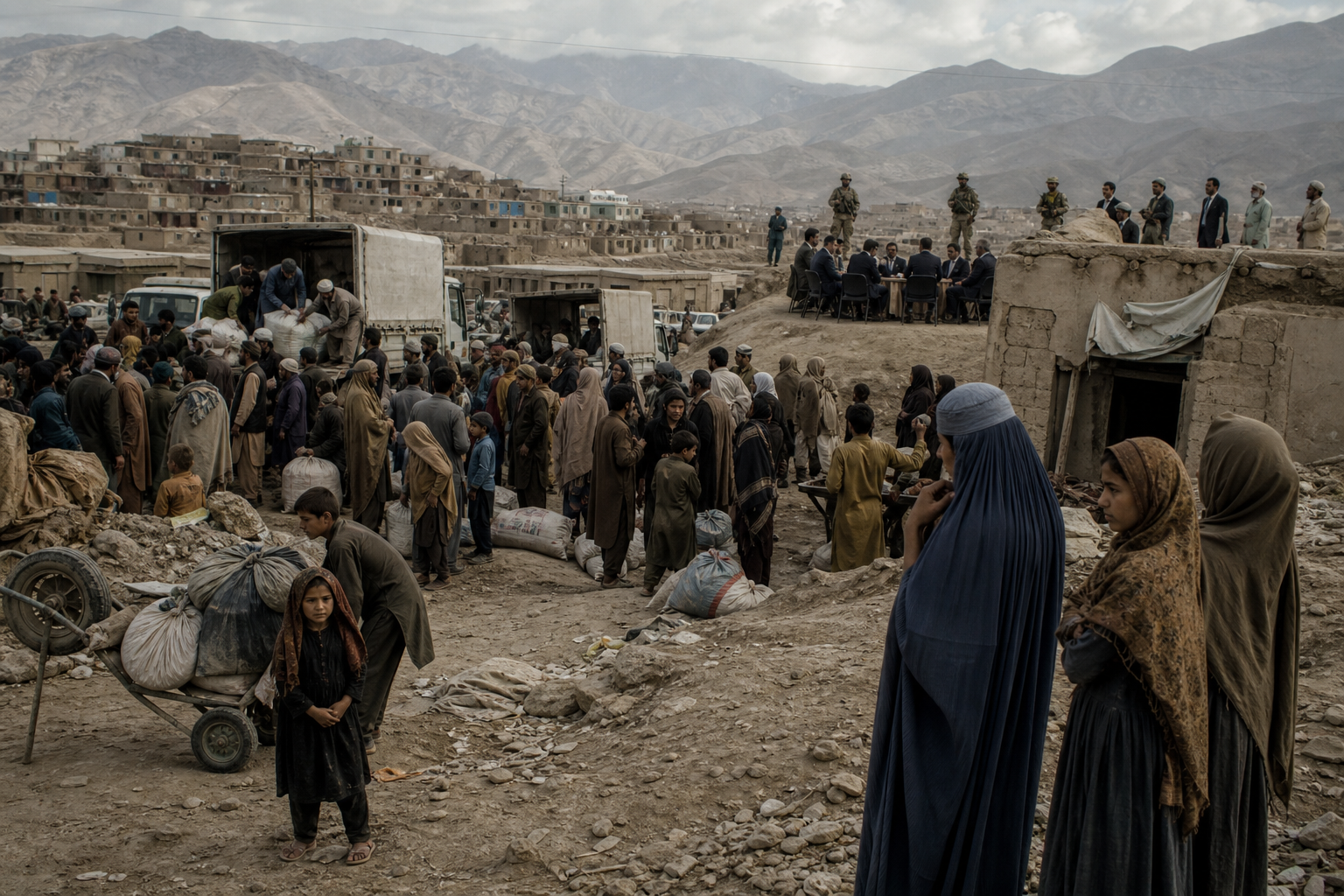
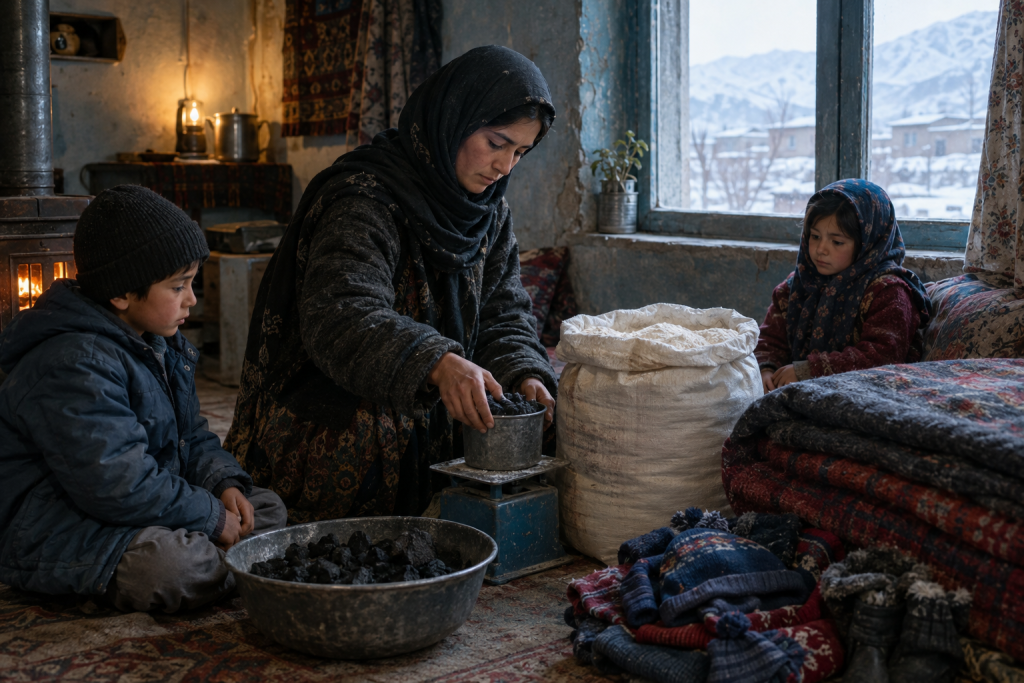
A UN assessment submitted to the Security Council on September 9, 2026, says Afghanistan faces interconnected humanitarian, economic, human rights and security pressures. More than 21 million people need assistance, funding is insufficient, and returns from neighboring countries are straining communities and Read More
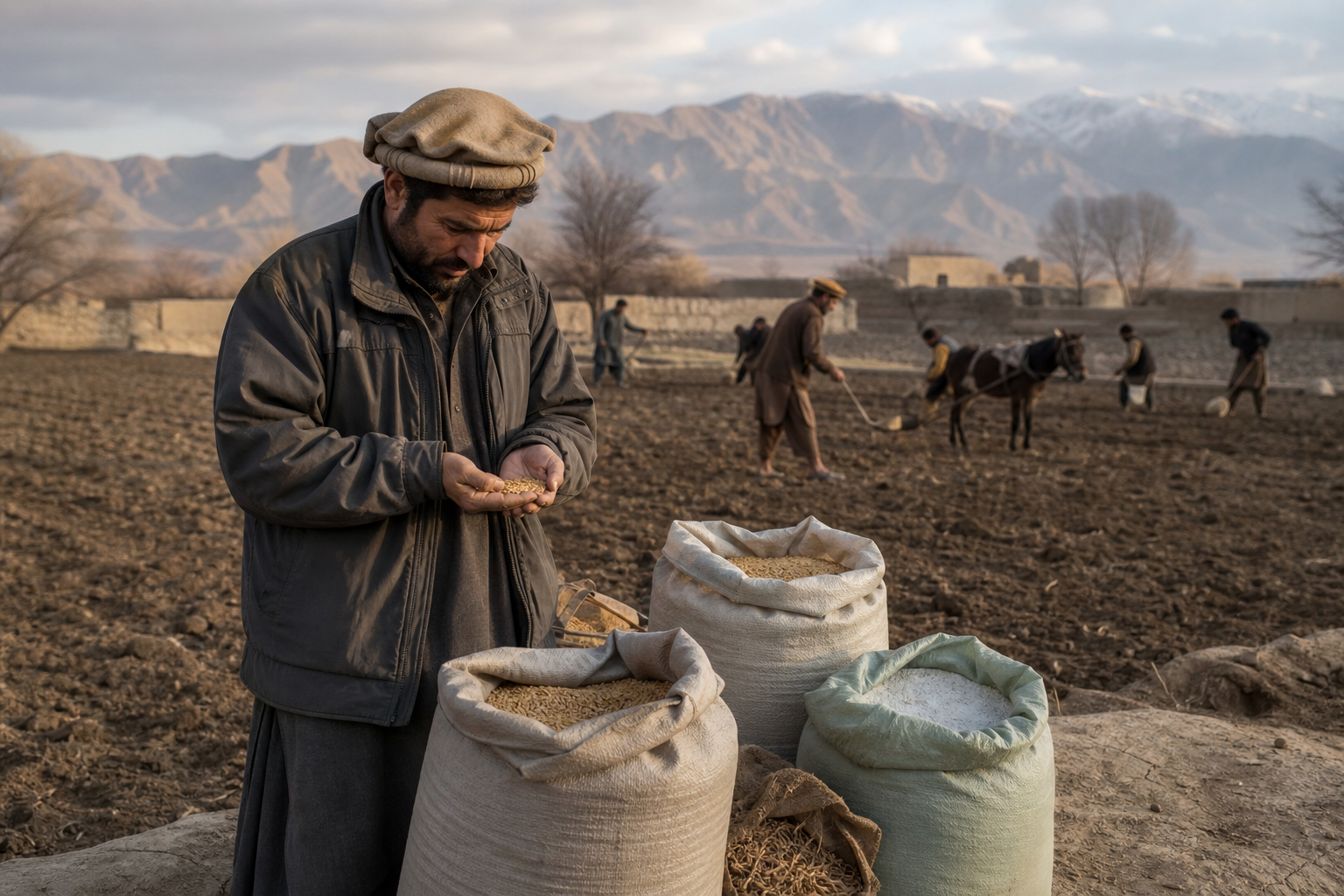
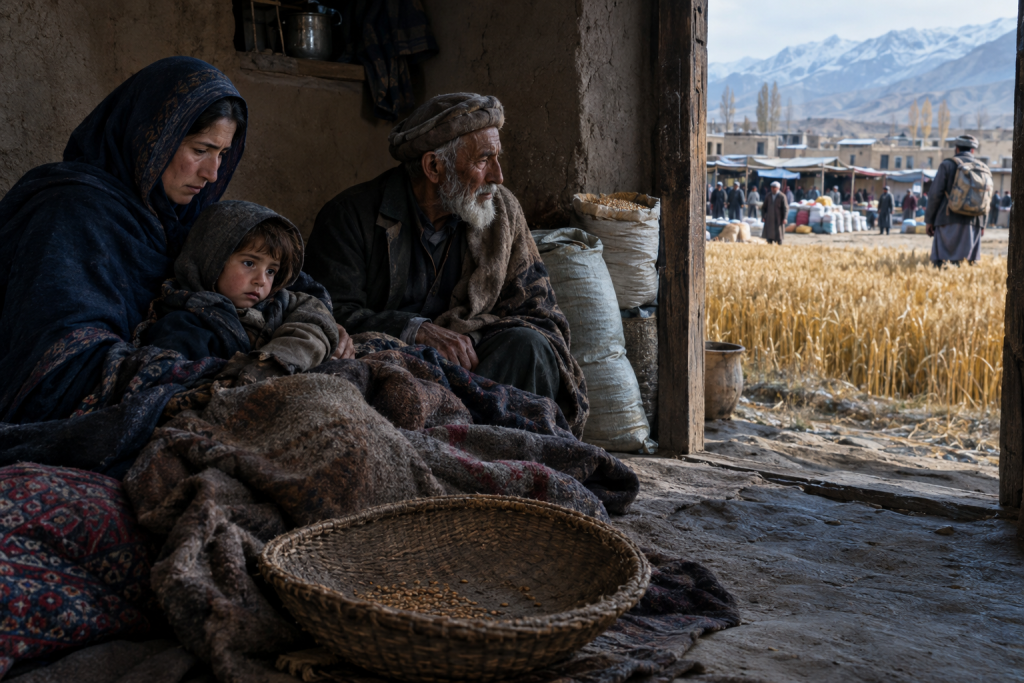
Rising fertilizer prices are threatening Afghanistan’s 2027 wheat harvest as farmers prepare for winter planting. The FAO is seeking $38.3 million to help up to 600,000 farming households purchase fertilizer and certified wheat seed before the planting window closes. The crisis is Read More
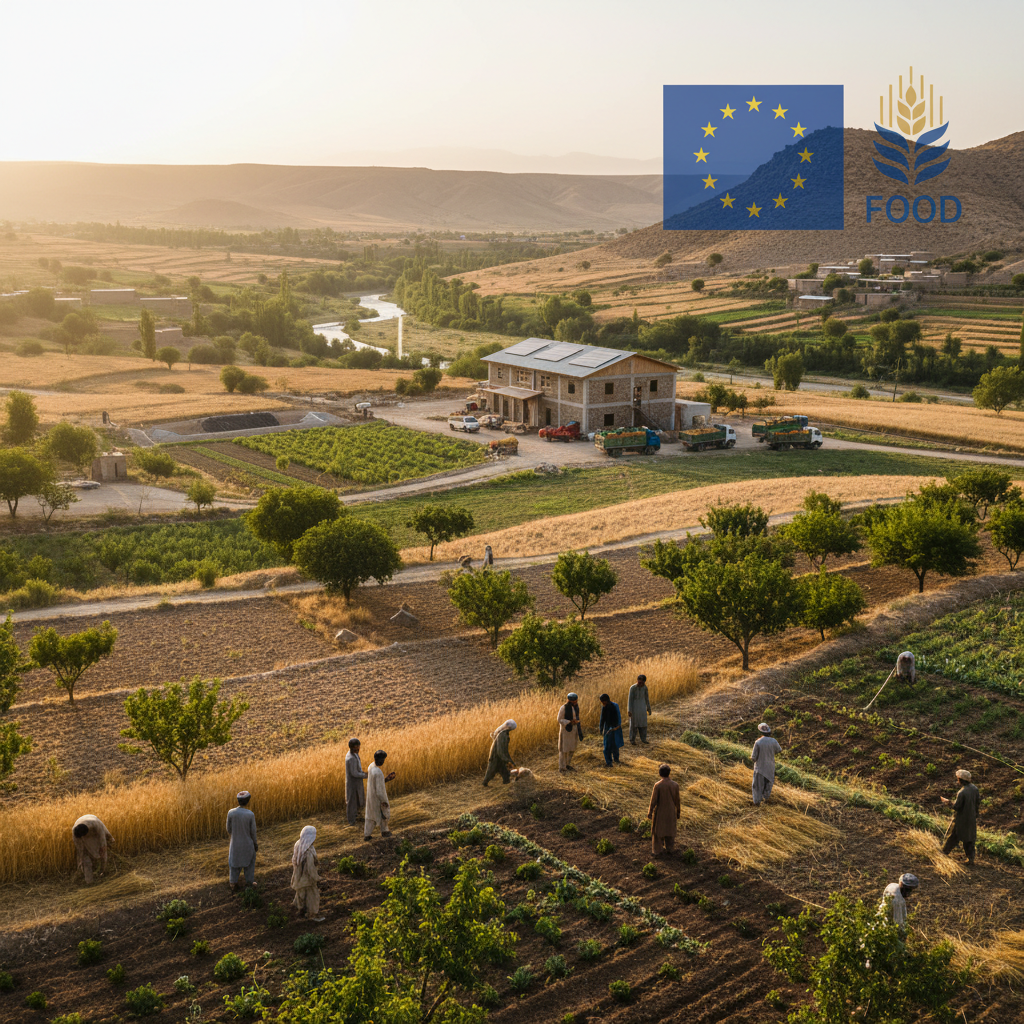
Ariana Global News report: the EU and FAO have launched a €5 million initiative to support Afghan farmers, enhance food security and boost agribusiness resilience.
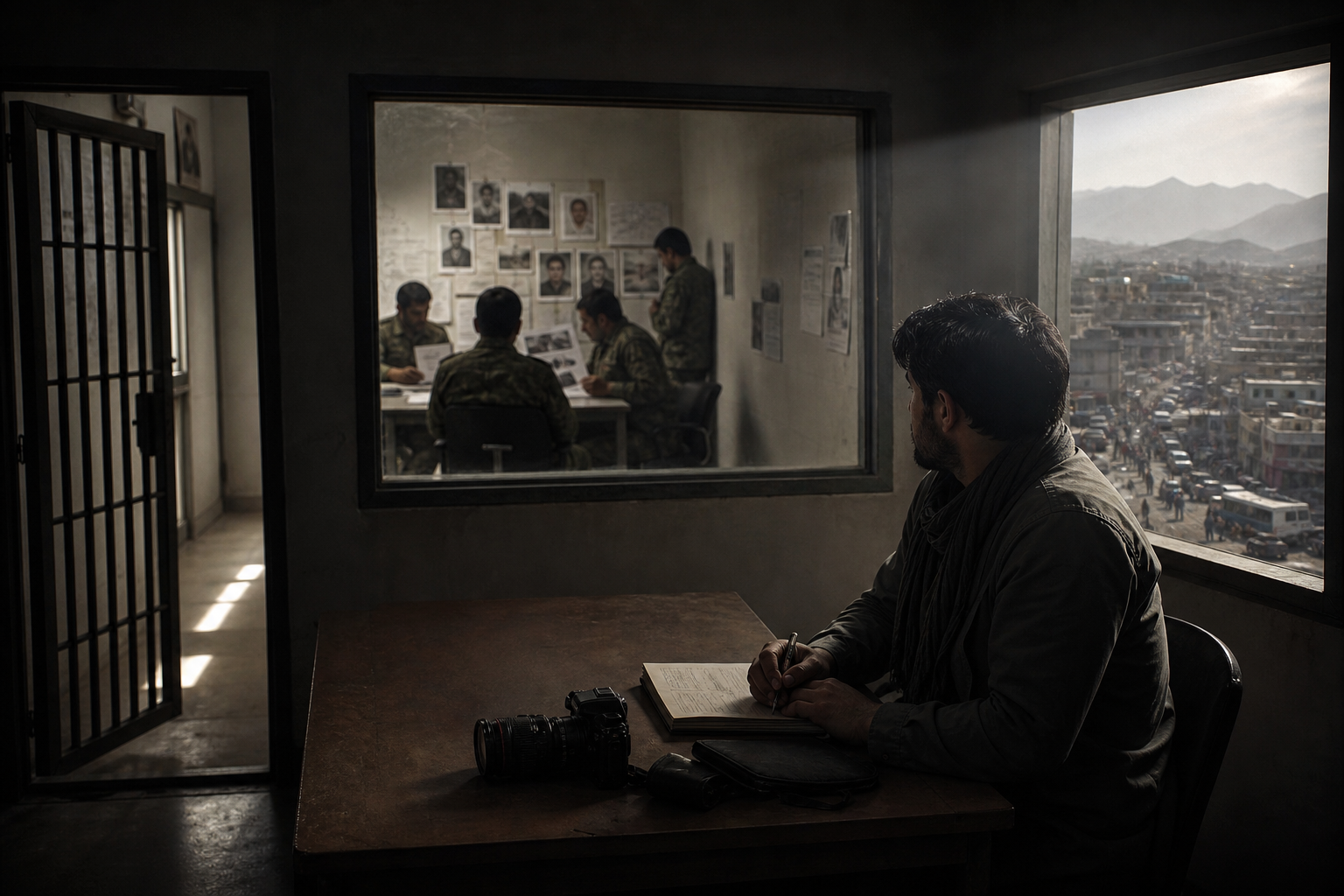
The General Directorate of Intelligence (GDI) is the Taliban authorities’ primary intelligence and security agency. Since 2021, it has gathered information on security threats and investigated opposition, while also becoming central to monitoring criticism and controlling independent media. Human Rights Watch has Read More
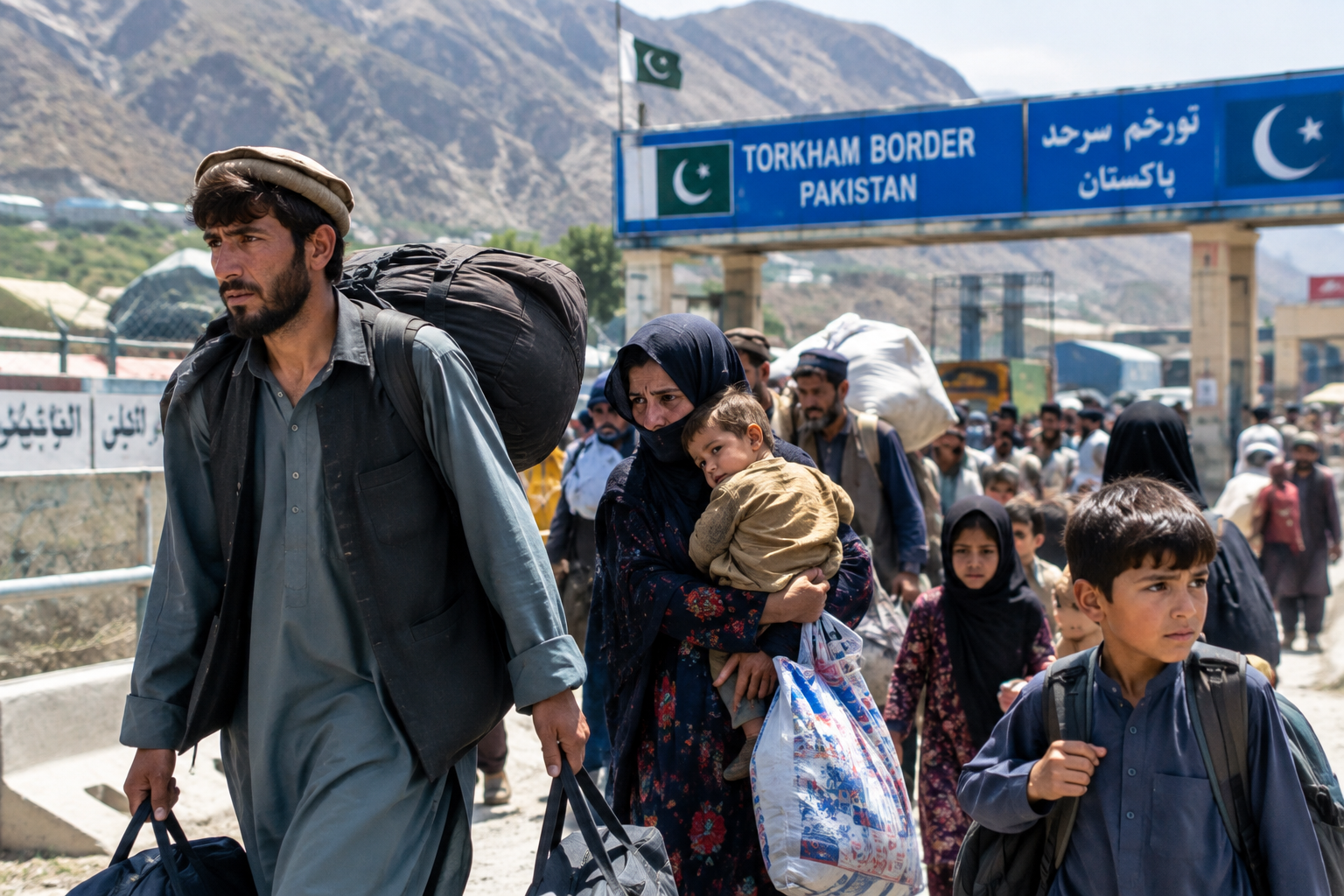
Tensions between Afghanistan and Pakistan are creating increasingly serious challenges for Afghan migrants and refugees living in Pakistan, as concerns over deportation, legal documentation and their long-term future continue to grow. Pakistan hosts a large Afghan population, including registered refugees and Afghans Read More
Afghanistan is facing a worsening water crisis driven by unusually low snowfall, prolonged drought, irregular rainfall and rising temperatures. Reduced snowmelt and limited water supplies threaten agriculture, livestock, groundwater-dependent communities and household access to water. The crisis could affect food production, public Read More